
Krakow`s Shift. Mining in Historical and Modern Krakow
Linking Krakow to mining might surprise an average Polish citizen, and the term “shift” (szychta) in reference to Krakow would likely bring a smile to many locals.
Mining in Krakow, however, is not just a fact — it is a history that far predates the Upper Silesian Coal Basin, stretching back several, perhaps even tens of thousands of years. Not only does the diversity and character of the deposits extracted in the area of today’s city surprise, but also the impressive scale of mining activities.
Flint and Limestone
At the beginning of this story, flint should appear — a raw material on which the early stages of human civilization largely relied. It occurs commonly in numerous outcrops of Jurassic limestone.
Limestone forms not only the Wawel Hill but also the Basilica of St. Michael the Archangel and St. Stanislaus Bishop at Skałka — today blending into its surroundings. Limestone hills also host Krakus, Kościuszko, and Piłsudski mounds towering over the city. On this same rock stands Poland’s oldest monastery — the Benedictine Abbey in Tyniec.
Although Krakow itself is not part of the macroregion most commonly associated with Jurassic limestone — the Krakow-Częstochowa Upland — limestone is a common element of the landscape within the city and its immediate surroundings.
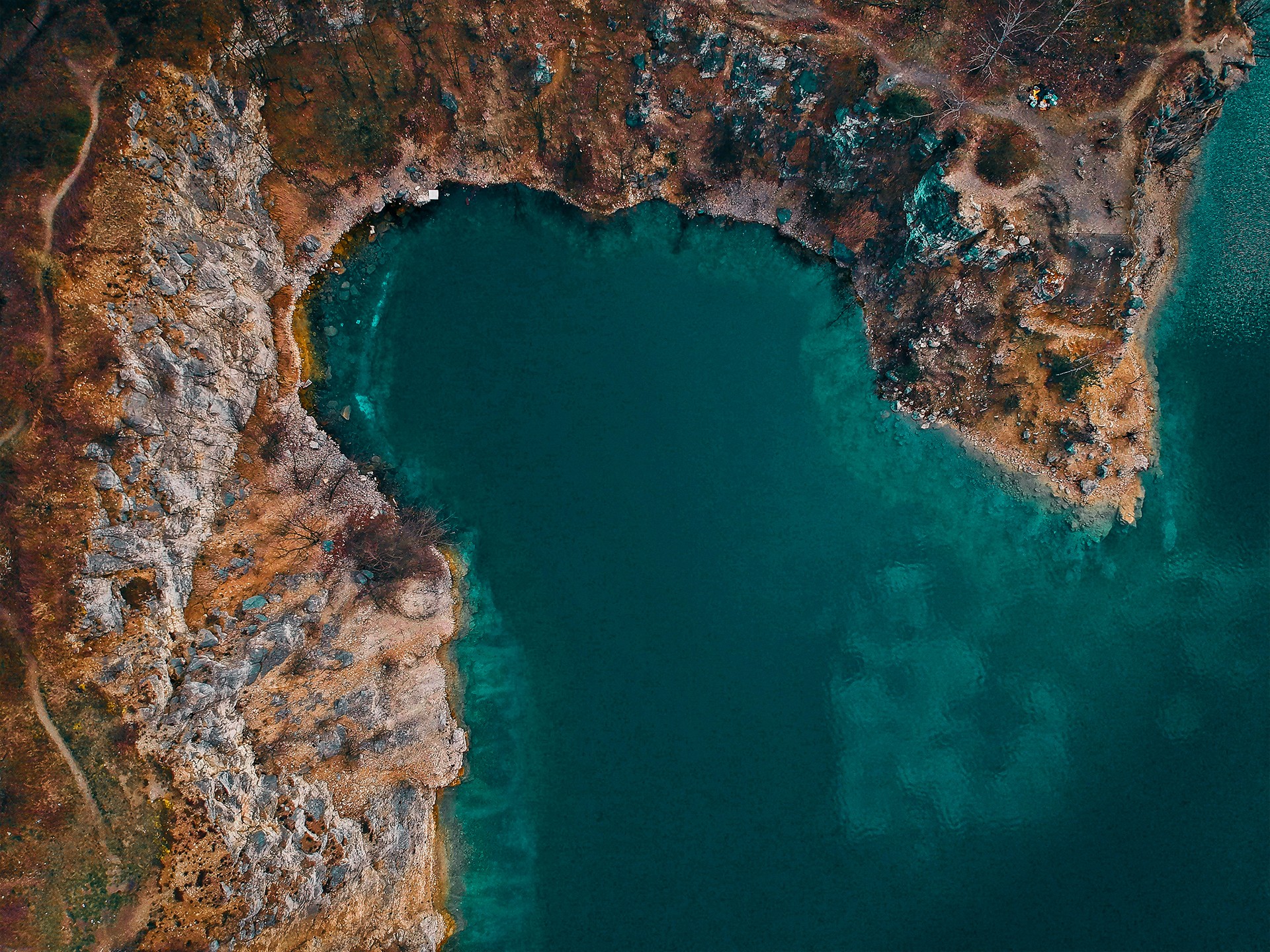
Because of its broad applications, limestone was the most frequently and extensively mined resource in Krakow. Besides containing flint nodules and serving as a natural building material for many iconic city structures, it was also used to produce quicklime — a key ingredient in historic mortars.
The numerous quarries also supported the metallurgical and chemical industries. In Krakow, Solvay, specifically the former Krakow Soda Works Solvay, played a prominent role.
A widely known curiosity related to this company and the Zakrzówek area is that Karol Wojtyła, the future Pope John Paul II, once worked in the limestone quarries there. Few visitors to Zakrzówek Lake, splashing in its azure waters today, realize that his work contributed in part to the creation of this recreational site.
While almost everyone knows that our ancestors utilized the valuable properties of flint, far fewer people realize that it continues to serve humans to this day. Around Krakow, it’s easy to confuse the chronology of the quarries where flint was extracted or worked.
This concerns the industrial production of so-called “flints” — a key element of the firing mechanism in firearms that for centuries played a decisive role in… population control.
Salt
The Krakow saltworks and their incredibly rich “white gold” deposits were once one of the main sources of state revenue, providing up to a third of the government’s funds. By “Krakow saltworks,” we primarily mean the mines in Wieliczka and the less well-known Bochnia. However, it is worth noting that Bochnia’s deposits were exploited first — at least if we limit ourselves to these two most famous mining centers.
Salt in the Krakow area, however, was obtained much, much earlier. Utilizing brine sources for essential minerals was not unusual — similar behaviors are observed in many animal species. The earliest two-legged inhabitants of these lands likely exploited these rich brine deposits.
From an archaeological perspective, the oldest traces of salt extraction date back to the Neolithic. These were discovered in the Barycz area, now within the boundaries of Krakow’s District X, Swoszowice.
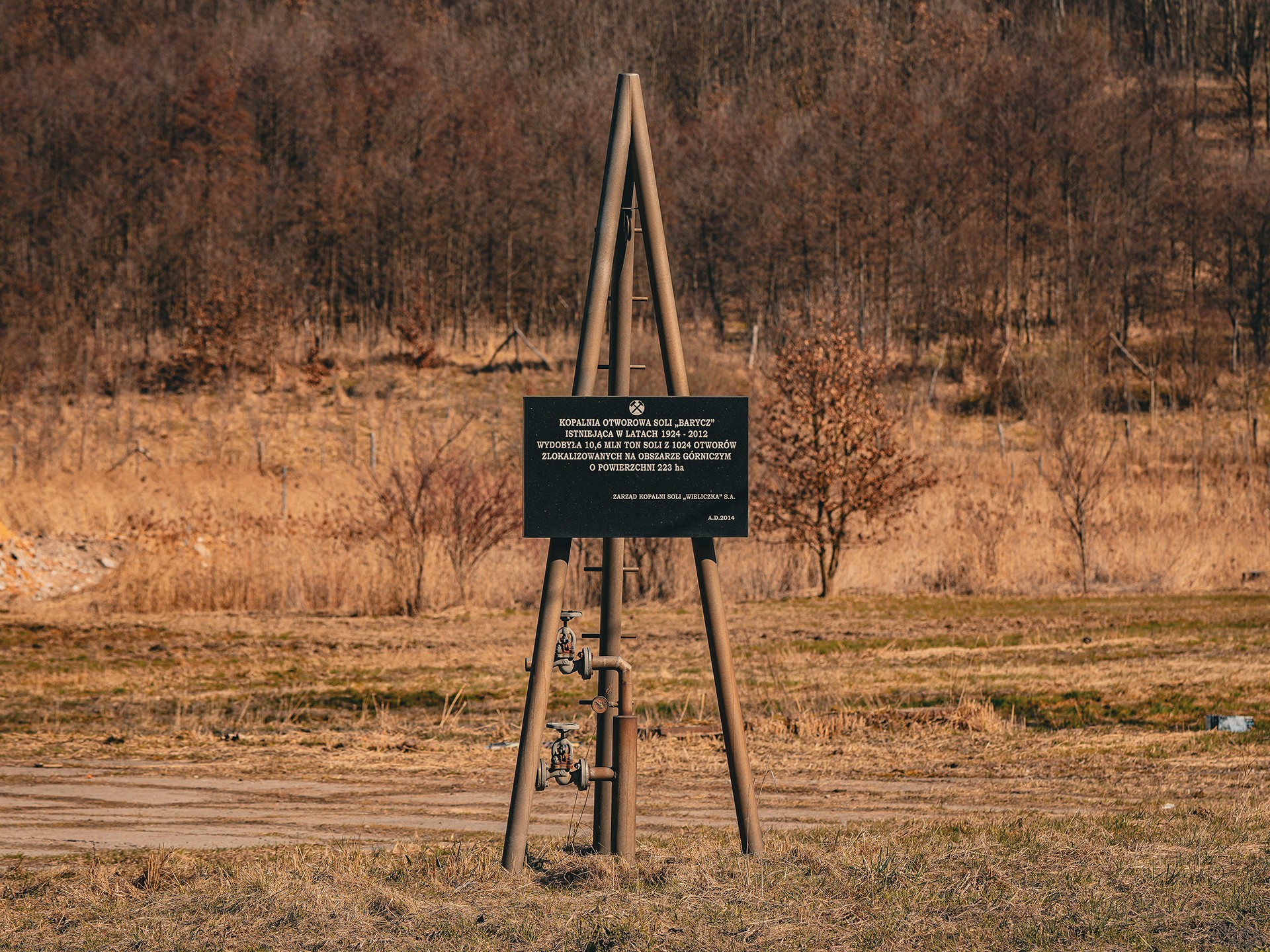
The best-documented sites, however, are from the Bronze Age and Early Iron Age. Prehistoric factories have been identified in Krakow districts such as Bieżanów and Rżąka, as well as in nearby villages including Podłęże, Brzezie, and Biskupice.
It is worth emphasizing that, both for Neolithic sites and later ones, salt was extracted on an industrial scale, not just “licked off stones.”
After nearly five centuries, the history of industrial rock-salt mining in the Krakow region came to an end. In Bochnia, it was 1990; in Wieliczka, mining ceased in 1996.
Interestingly, salt extraction within Krakow’s limits lasted even longer. It ended only in 2012 with the closure of the Barycz Borehole Salt Mine, operating since 1924.
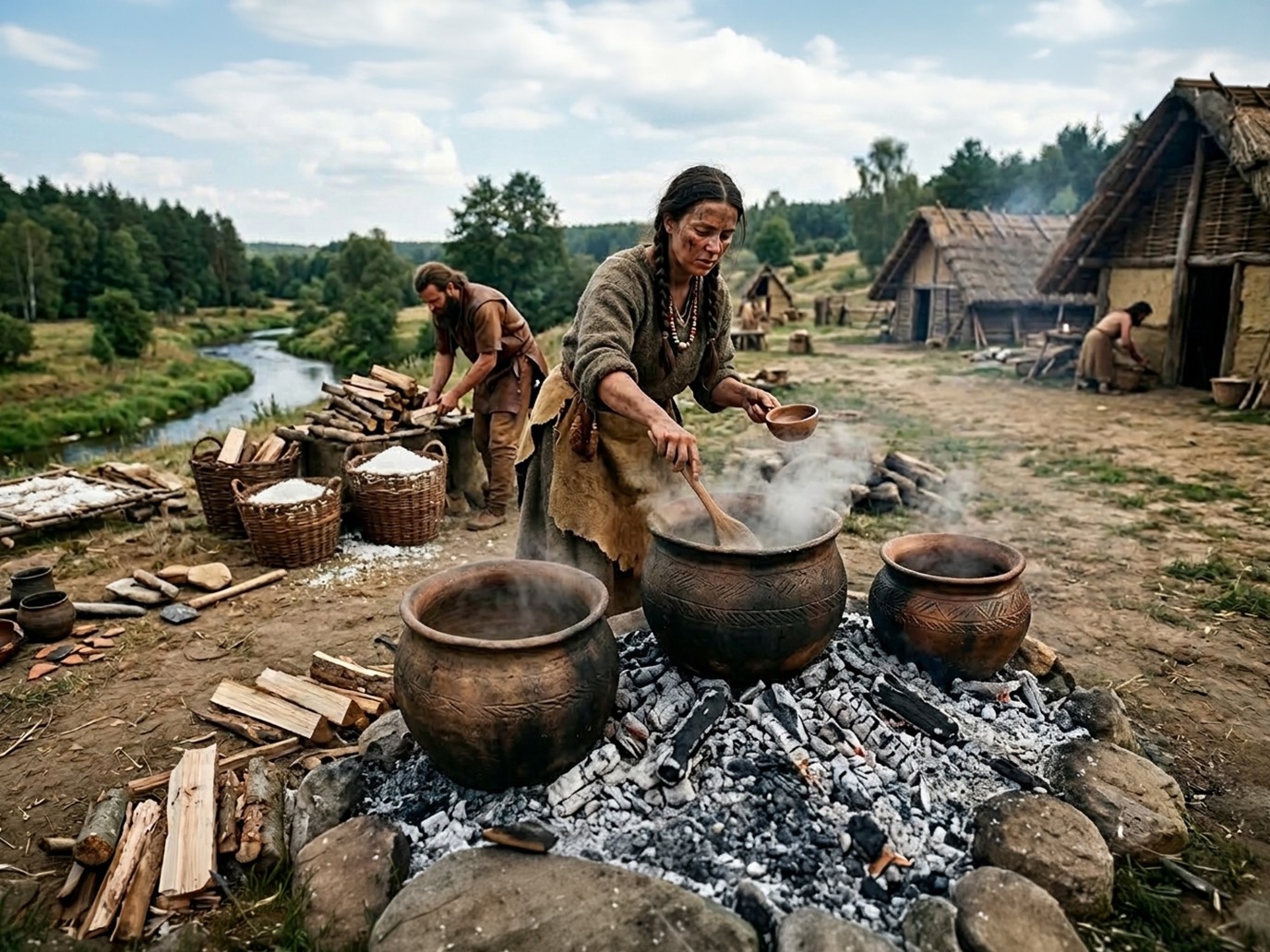
In a sense, history came full circle — documented salt extraction in the Krakow region began and ended in Barycz, spanning roughly 5,500 years.
We’ve only slightly embellished this story because brine from Bochnia and Wieliczka is still used today — both for salt production and various other purposes, including recreational ones. Brine is not only drawn from old workings but also actively obtained from boreholes, albeit on a smaller scale, scattered across the salt-bearing area of the former Miocene Paratethys Sea.
Sulfur
In the previously mentioned area of Krakow’s tenth district, mining is remembered not only through sinkholes created by salt leaching but also by mining spoil heaps. Indeed, Krakow has many of them. It is worth noting that the largest were created through the combined work of miners and metallurgists, activities inextricably linked.
Spoil heaps directly related to mining in today’s Krakow are actually more numerous than those visible in Katowice, a city commonly associated with mining.
While most Krakow deposits were mined via open-pit methods, the Swoszowice sulfur mines represented mining in a form we now consider standard. Moreover, this activity was neither incidental nor amateurish.
Swoszowice can boast not only of being the site of Poland’s first sulfur mine but also of the longest period of exploitation — nearly 500 years. Mining began in the 15th century and ended in 1884.
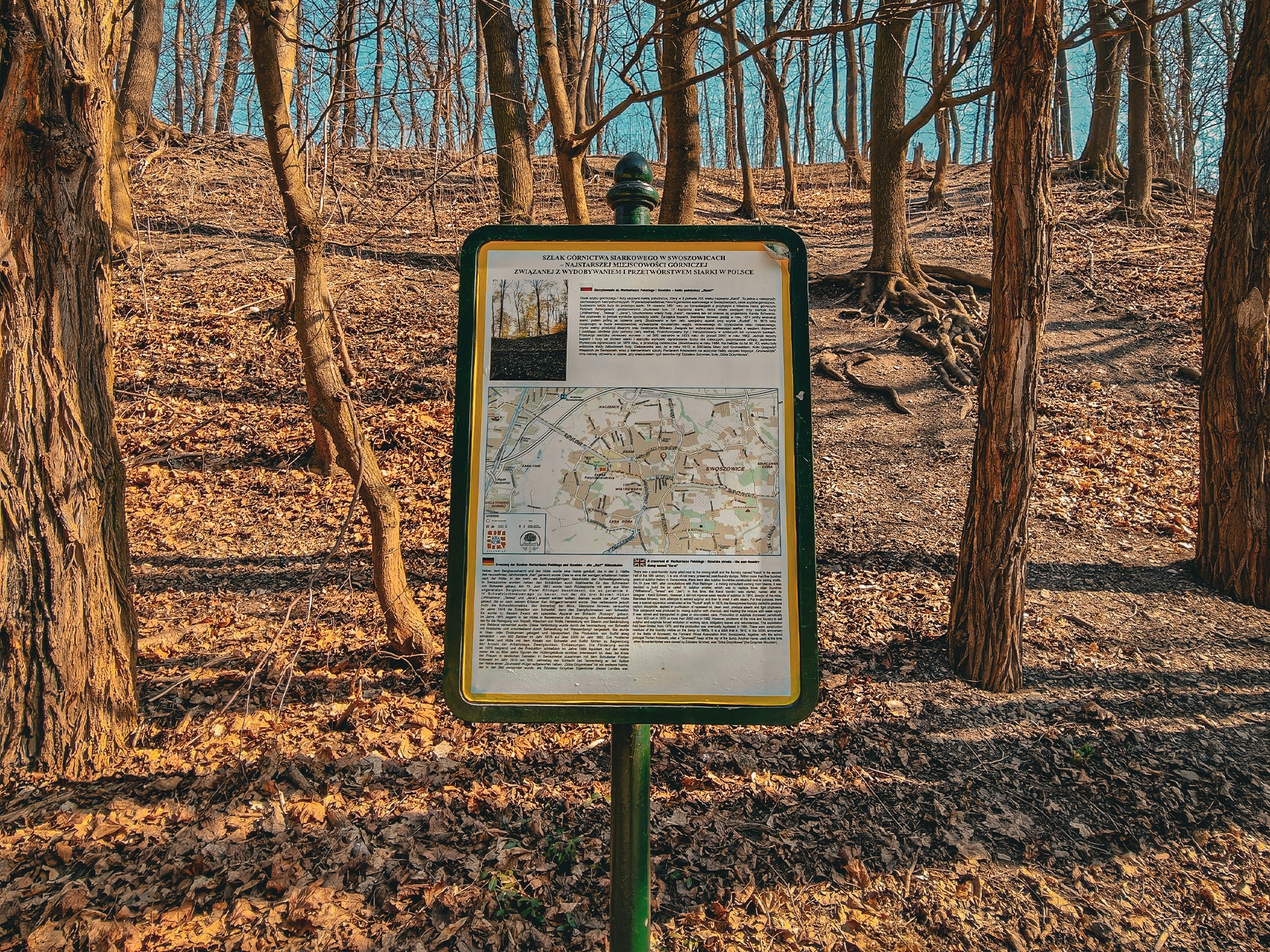
Such long-term and intensive activity inevitably left clear traces. Production of roughly 1,200 tons per year met Austria’s entire sulfur demand at the time.
Besides natural sulfur spring sources — which we will discuss another time — Swoszowice still contains many remnants of mining activity. About 30 shafts operated here, and over centuries approximately 200,000 tons of sulfur were extracted.
Mining this valuable resource involved not only bringing vast amounts of rock to the surface but also later separating the sulfur from it.
The largest accumulation of mining remnants today is the Karol spoil heap. A closer look at the terrain — for example, using topographic shading — reveals at least several dozen smaller heaps.
Clay
For a city as old as Krakow to develop, it needed building material for its numerous — and increasingly grand — structures. Although limestone was available in the city center, its use for larger projects was limited.
Brick, known since ancient times, became popular in Krakow only during the Gothic period. Without it, landmarks like St. Mary’s Basilica, the Church of the Holy Trinity, or St. Catherine’s Church could hardly be admired today.
As brick demand grew, so did the number of clay pits in Krakow.
Although postwar urban expansion erased much of this important historical activity, traces of clay extraction remain visible. They are hard to miss — one could even immerse or… drown in them.
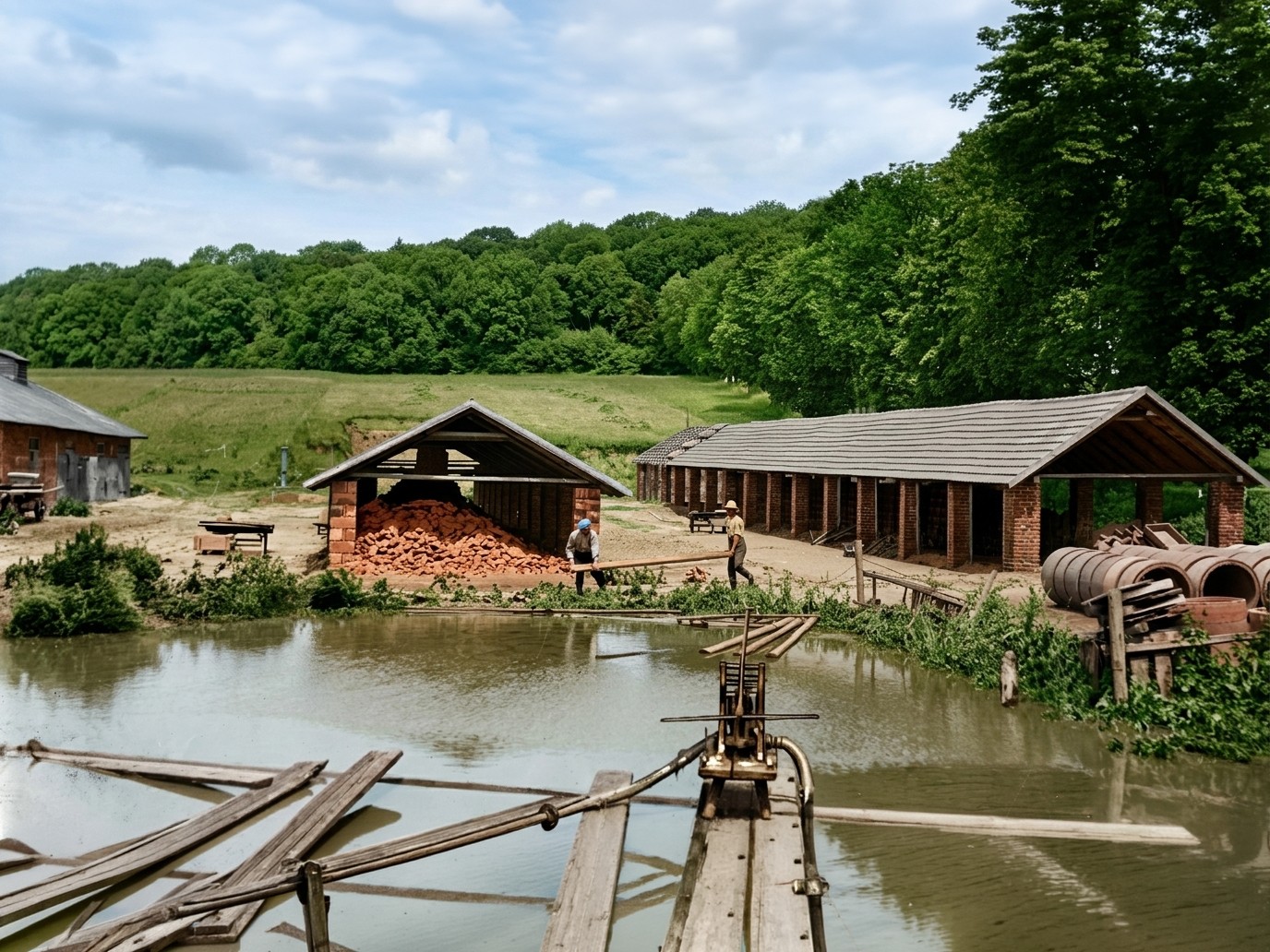
Few residents realize that almost all water bodies visible on Krakow maps today are remnants of clay or aggregate extraction. The abundance of rivers and streams — mainly the Vistula, along with its tributaries Prądnik, Dłubnia, Rudawa, and Wilga — shaped sediment accumulation.
While the largest reservoirs arose from extracting other resources, clay mining also left its mark on the city’s geography. One large former clay pit, now a refuge for wildlife, is Staw Dąbski. Smaller ponds near Bonarka City Center relate to the former Bonarka Brickworks, or Maurycy Baruch’s Clay Products Factory.
Although medieval Krakow certainly needed bricks — especially given the frequent fires in wooden buildings — the real boom came later.
Urban expansion beyond the walls and plans for Krakow Fortress created astronomical demand for building materials. A glance at one fort — there were nearly sixty around the city — plus shelters, artillery batteries, bridges, barracks, warehouses, command posts, and other structures, underscores this scale.
It is no surprise that numerous brickworks and clay pits operated around Krakow, leaving traces that still shape the city landscape.
Gravel and Sand
Staw Płaszowski, Bagry Wielkie, and the popular Przylasek Rusiecki are reservoirs formed by flooding former gravel pits. Gravel extraction — which was and still is widespread — remains one of Krakow’s most important mining activities. Gravel pits such as Żwirownia Brzegi and Żwirownia pod Kopcem still operate today.
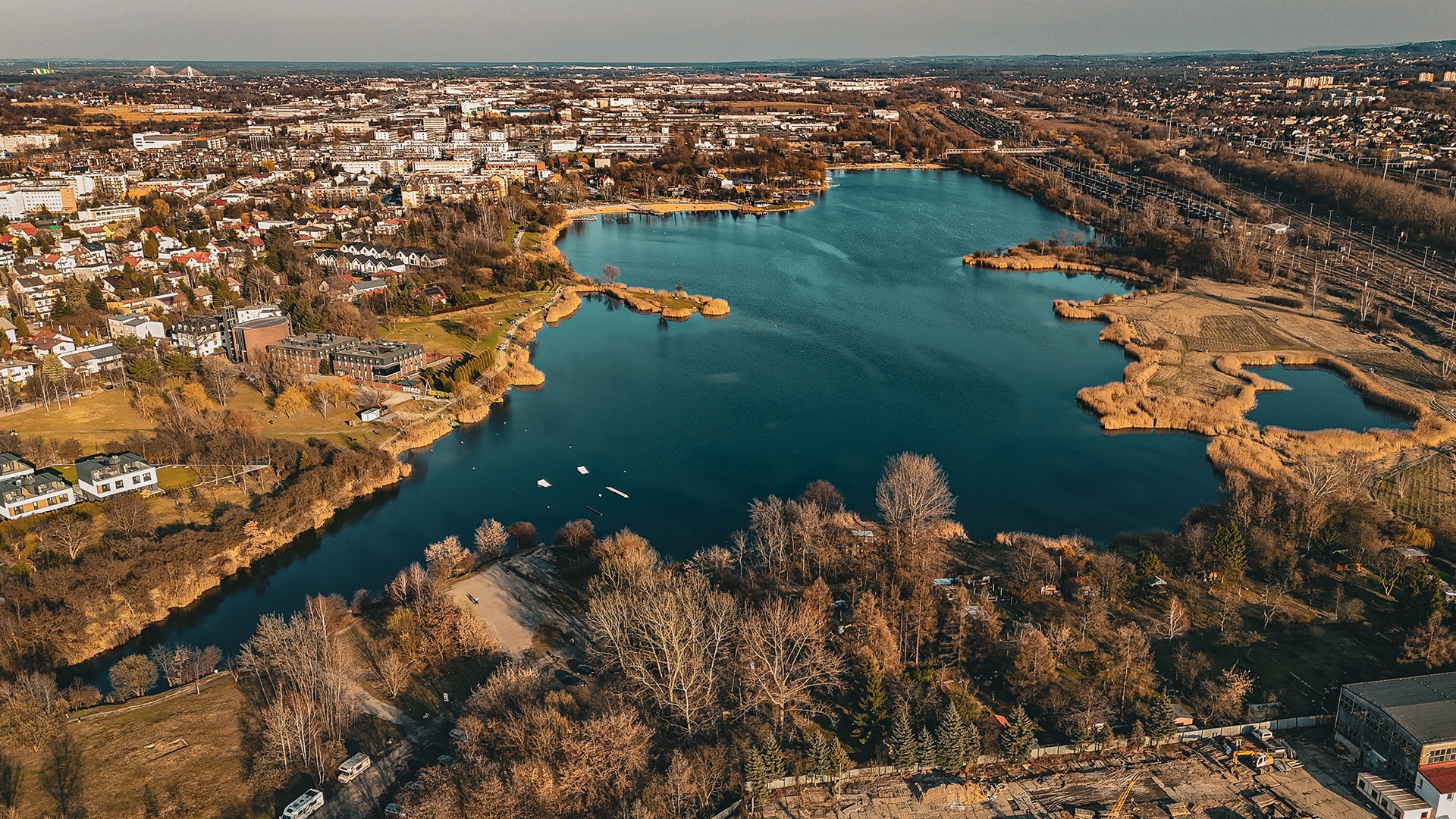
Of course, sand was also extracted. The largest reservoirs resulting from sand mining are Budzyński Reservoir and Zalew na Piaskach (popularly Kryspinów). Both are technically outside Krakow, in Budzyń, about 1.5 km from city limits.
Although increased extraction was linked to the Lenin (later Sendzimir) Steelworks, sand and gravel were mined in the Krakow area long before the industrial revolution.
Clayey Loam
A separate paragraph is warranted for the relatively young Zesławice Miocene clay mine. Although one of Krakow’s youngest mines (est. 1952), it is now closed.
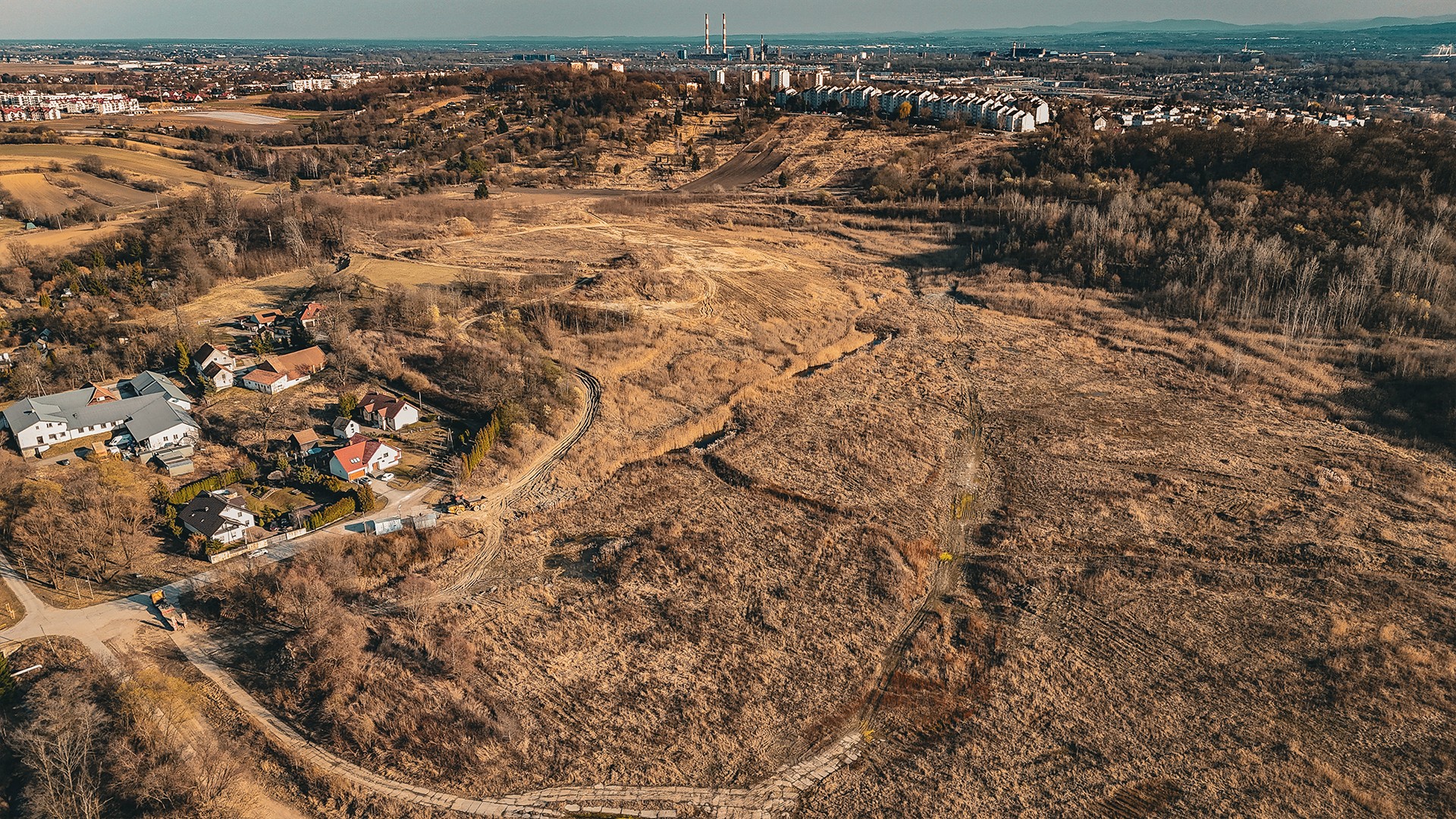
The Zesławice clay was primarily used in building Nowa Huta, supplying the nearby Zesławice Brickworks. After exploitation, the mine was closed, and its extensive weathered workings were a long-standing urban problem, even serving as a landfill.
Guano
Limestone, clay, gravel, sand — these are familiar to a Polish or Krakow resident. Even salt or sulfur is not surprising. But guano? How could it exist here, far from the sea and in the wrong climate?
Yet it did. Near Krakow, just a stone’s throw from the Benedictine Abbey in Tyniec, guano — the organic fertilizer more commonly associated with South America — was collected.
In Krakow and nearby areas, accumulation was not due to seabirds but to metabolic processes of smaller — yet flying — creatures: bats inhabiting Krakow-Częstochowa Upland caves. Within Krakow city limits alone, there are over 20 caves and shelters, not counting other bat-inhabited caverns.
Guano extraction, often exploitative, occurred in caves like Jaskinia na Gołąbcu, sometimes expanded for that purpose. Similar activities took place in many caves throughout the region, where centuries of bat deposits provided valuable fertilizer.
The Dark Side of Krakow Mining
Mining in Krakow, usually associated with deep, dark shafts, has a darker side. Workers in quarries and other resource excavations included forced laborers and prisoners from German labor camps.
Mandatory labor drafts were introduced in the General Government in 1940. To avoid deportation to the Reich, one had to prove employment in a business serving the occupiers. In this capacity — as a civilian worker — Karol Wojtyła, the future Pope John Paul II, worked at the Kapelanka quarry.
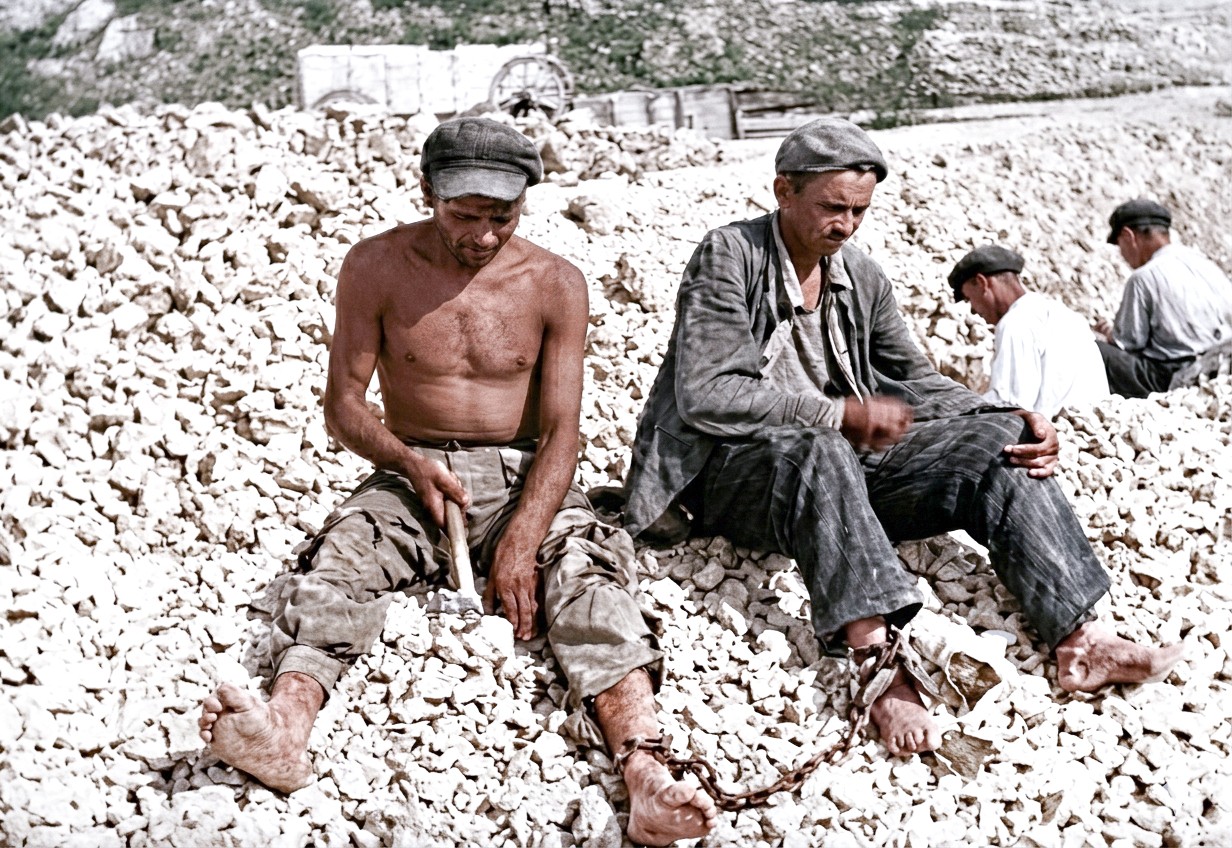
Much harsher conditions prevailed in the Liban labor camp (Straflager des Baudienstes im Generalgouvernement) and in Baudienst No. 108, where prisoners were forced to extract aggregate near today’s Bagry Wielkie reservoir.
The Liban camp, located at a quarry existing since the 15th century, was not the only limestone extraction site using forced labor. KL Plaszow — often confused with Liban due to proximity and the influence of the film Schindler’s List — also had two limestone quarries.
There were also plans for aircraft production in the Wieliczka salt mine underground, but that story falls outside Krakow proper and will be covered another time.
A Mirror of the Past
Mining in occupied Krakow is not the only thought-provoking aspect of its history. Krakow flint, Jurassic limestone, and gravel deposits also carry non-functional value.
These materials — or what they contain — allow us to travel millions or thousands of years into the past, revealing numerous fossils.

Ammonites, belemnites, sponges, and sea urchins can be found in old quarries, limestone valleys, railway embankments, and sometimes right by the curb.
Different rocks preserve different fossil types: Jurassic limestone, Cretaceous marl, Podkraków flint — and river-deposited gravel. Krakow’s surroundings are rich in such traces, some even beneath bat guano deposits.
The Bonarka Nature Reserve, located on a former quarry, offers a more protected way to explore Upper Cretaceous layers.
Beyond the City
The sheer variety of resources in Krakow can be overwhelming. Moving just 15 km outside the city, the number of deposits and contained minerals becomes difficult to grasp. Gypsum, lead, silver, iron, coal, porphyry, melaphyre, sandstone, claystone, siltstone — many uses are still to be studied.
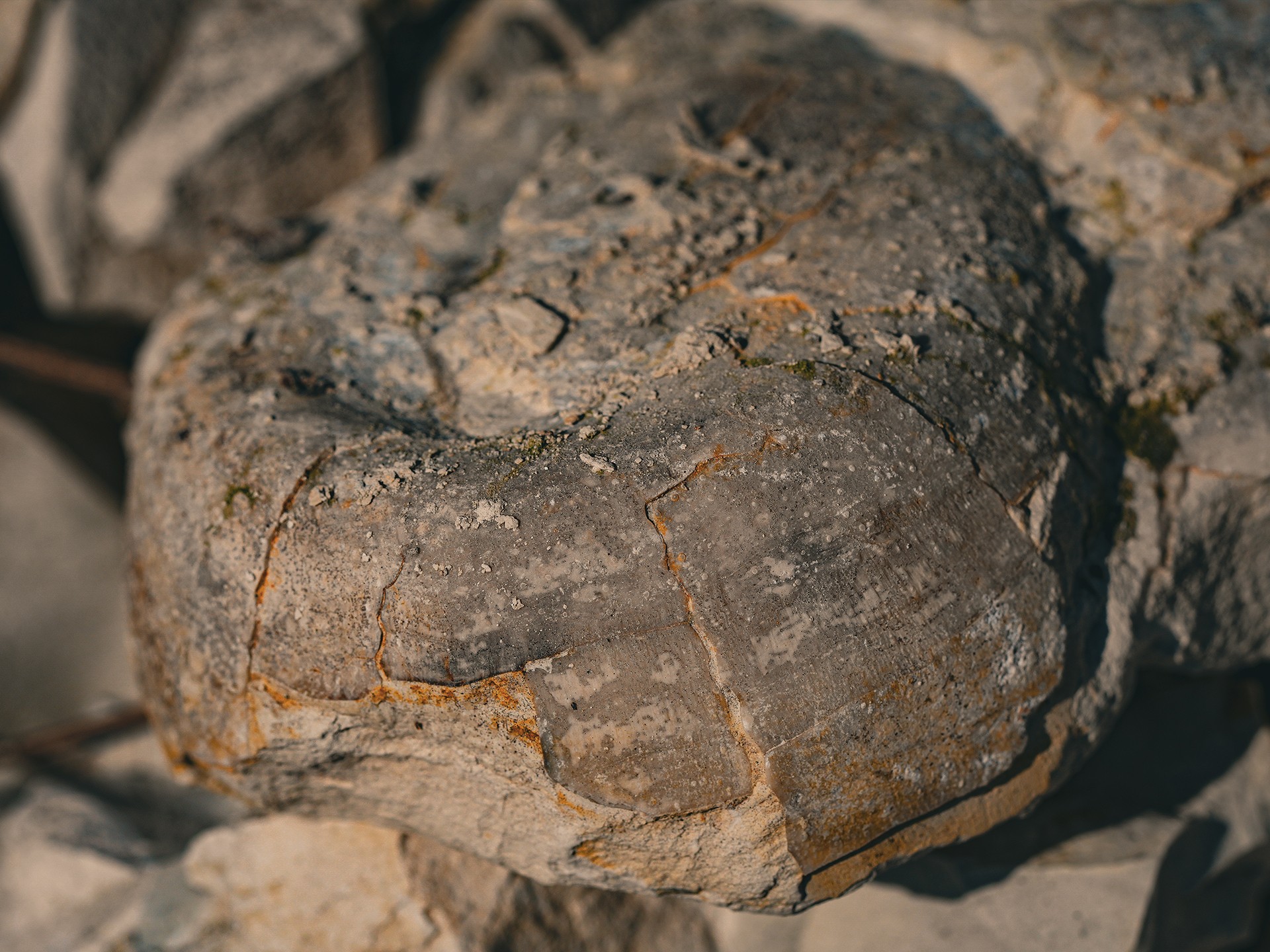
Even prehistoric mining can astonish with its complexity.
Delving into details is neither our specialty nor goal. However, since mining and geology within 100 km of Krakow cannot be ignored, we will revisit this topic multiple times in a layperson-friendly way.
Is Kraków a Mining City?
Mining on the territory of present-day Kraków is a story that reaches back to prehistoric times and, importantly, continues to this day. However, the city was not founded for the purpose of resource extraction; rather, mining was meant to serve the city. Moreover, open-pit mines are not usually associated with what people commonly think of as mining activity. The sulfur extraction in Swoszowice would fit that definition, but it has not operated for over 139 years and was also located outside the boundaries of Kraków at the time – Swoszowice were incorporated into the city only in 1973.
We leave this question open, as similar, equally interesting, and sometimes even controversial topics – for example, concerning the city’s spa and health-resort functions – are still ahead of us.